Secondary and Vocational Education Reform

Owner: Victorian Department of Education
Role: Lead Experience Architect for 6 streams of educational reform and transformation.

Overview

This project supported a major Victorian Government education reform initiative, as a result of the Firth Review, focused on improving pathways between secondary education and vocational learning. As Experience Architect, I led discovery, UX strategy and service design activities across six reform streams, helping shape future educational experiences for students, educators and administrators.

The Challenge

The project involved a broad and complex ecosystem of stakeholders, each with their own priorities, challenges and operational environments. Educational reform required balancing the needs of students, teachers, schools, vocational institutions and policymakers while ensuring new approaches could be implemented effectively across the state.

Research and Discovery

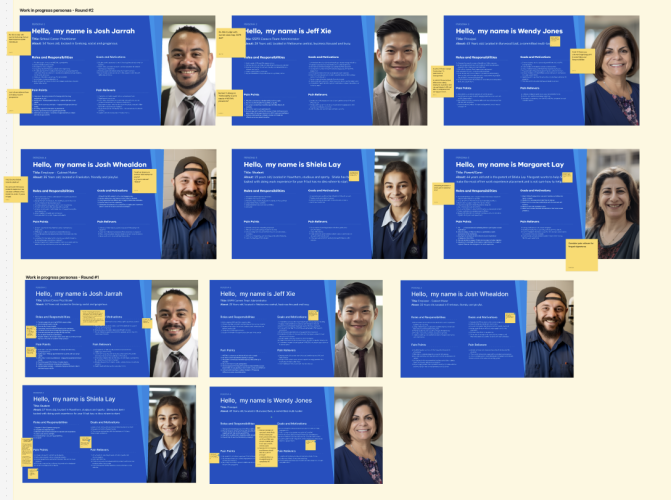
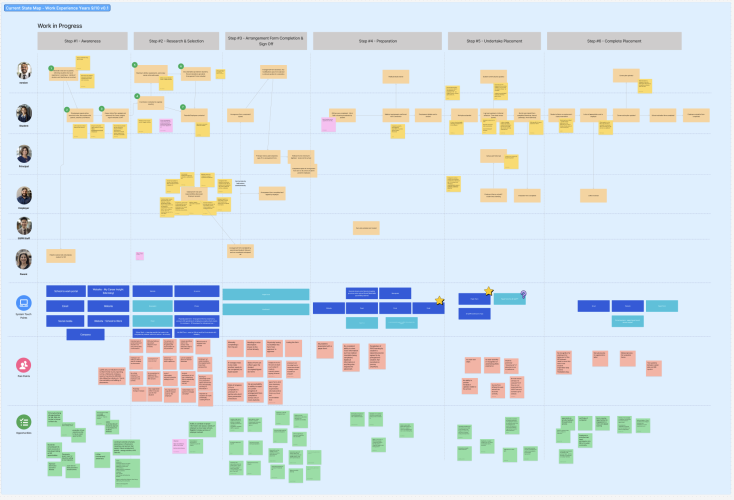
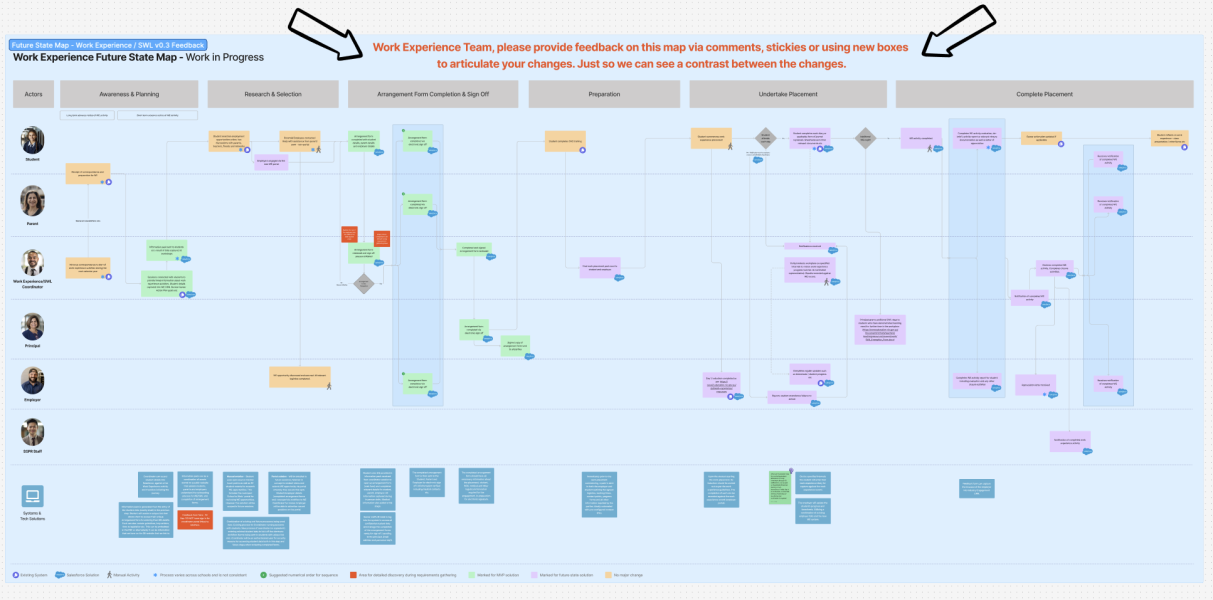
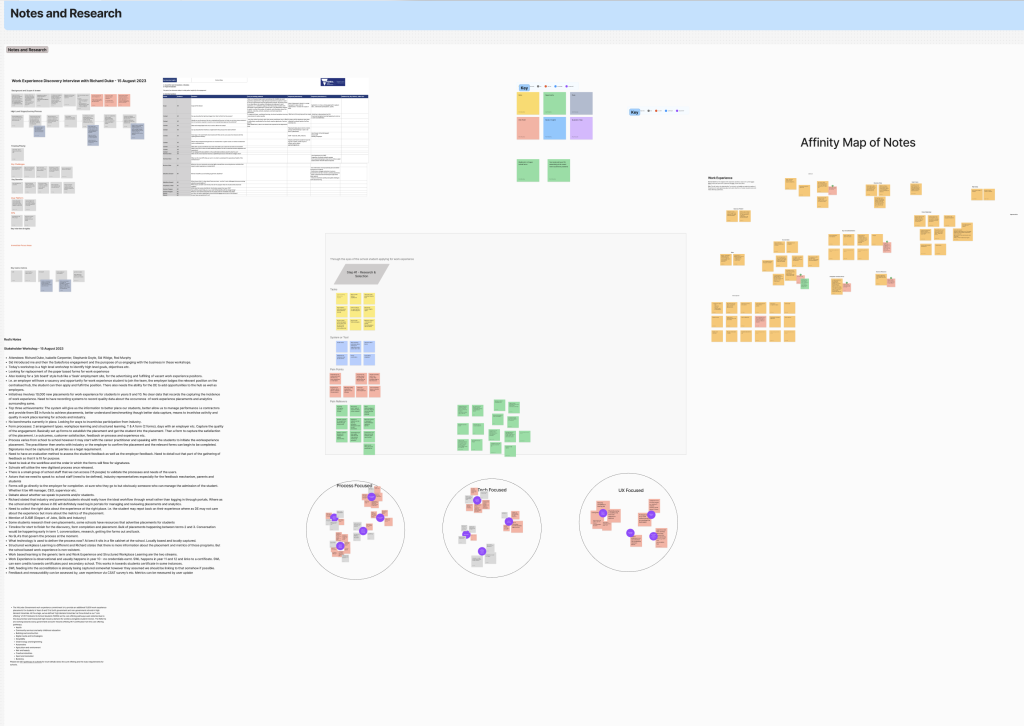
More than 50 workshops and stakeholder engagement sessions were conducted across the program’s six streams. Research focused on understanding current educational journeys, identifying barriers to participation and exploring opportunities to improve educational outcomes. The work produced personas, journey maps, service concepts and a shared understanding of existing challenges and future opportunities.

Defining the Experience

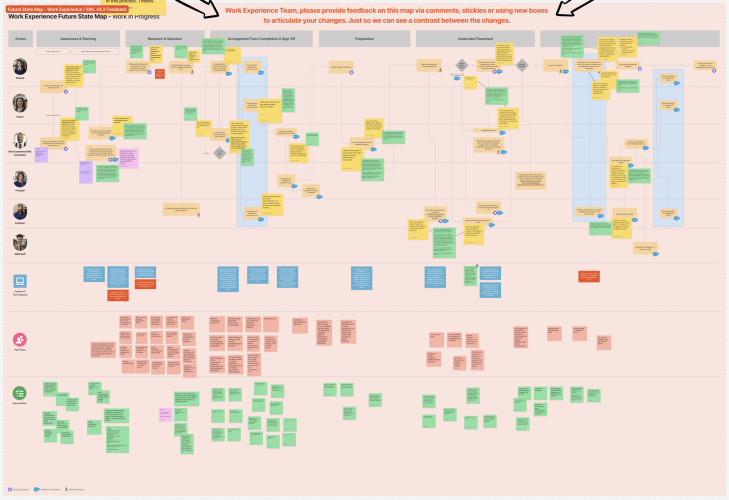
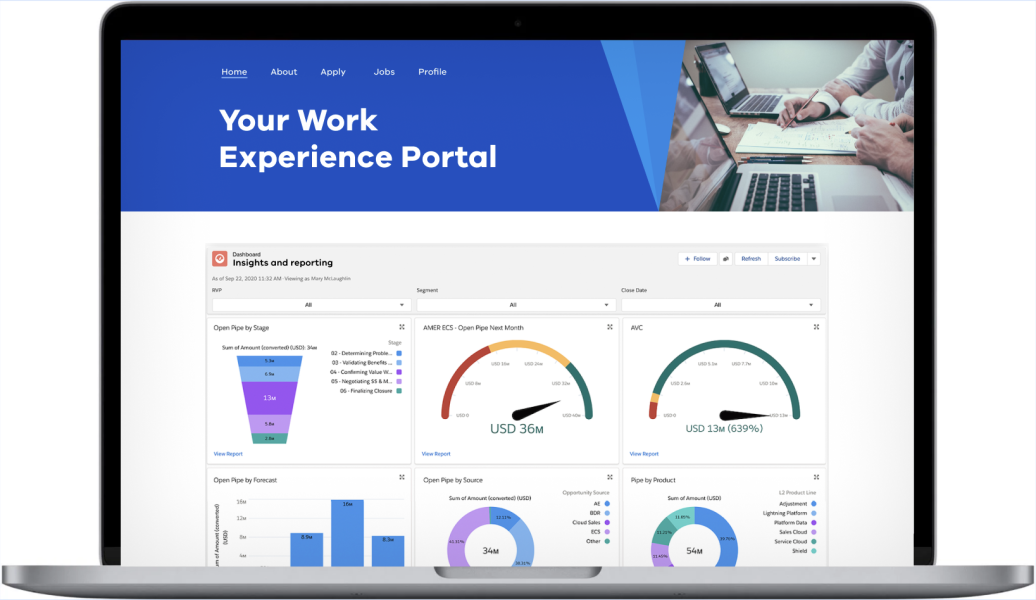
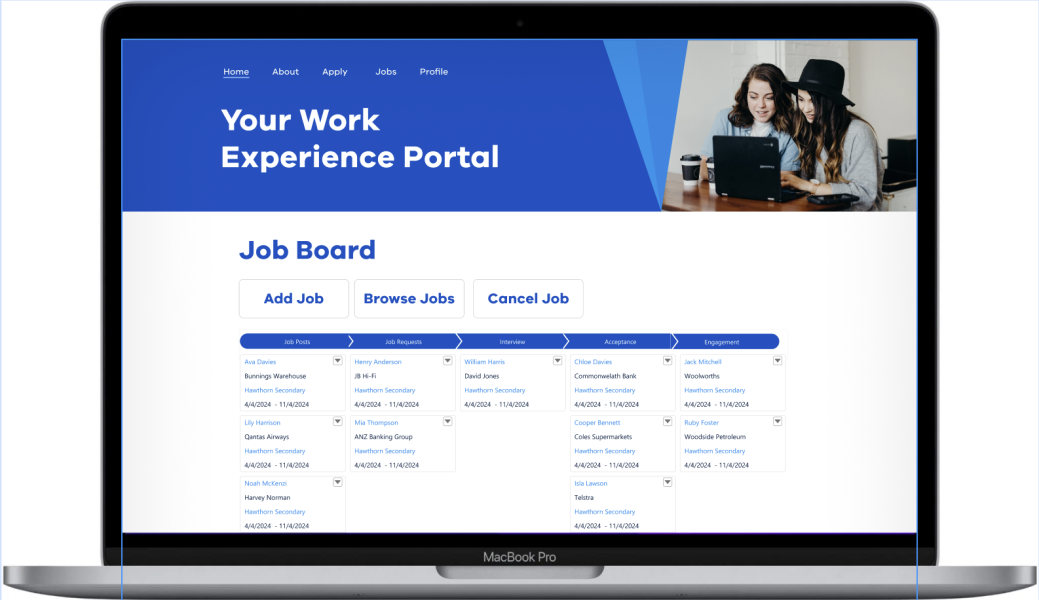
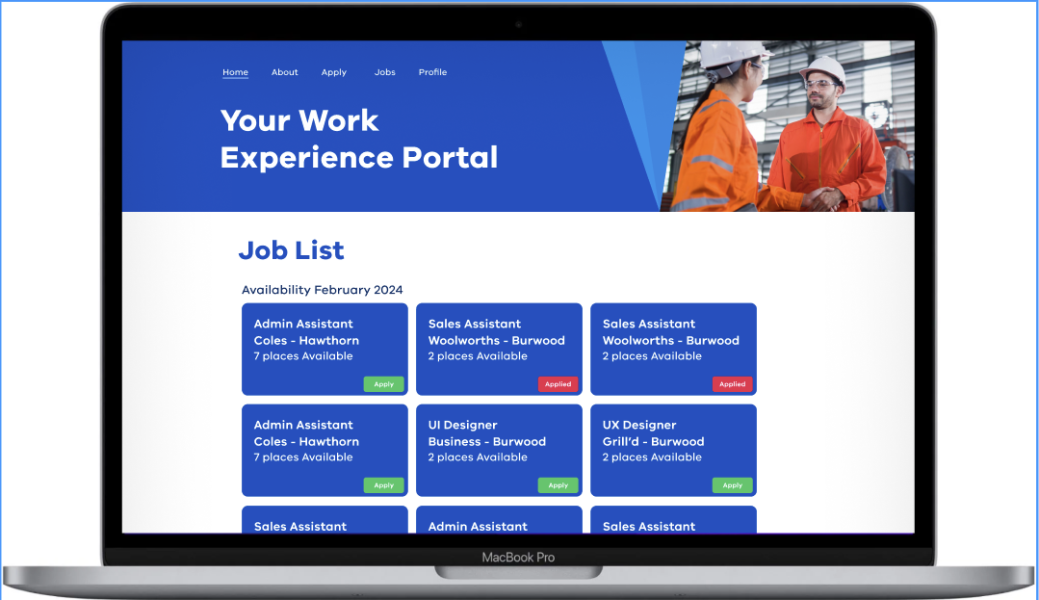
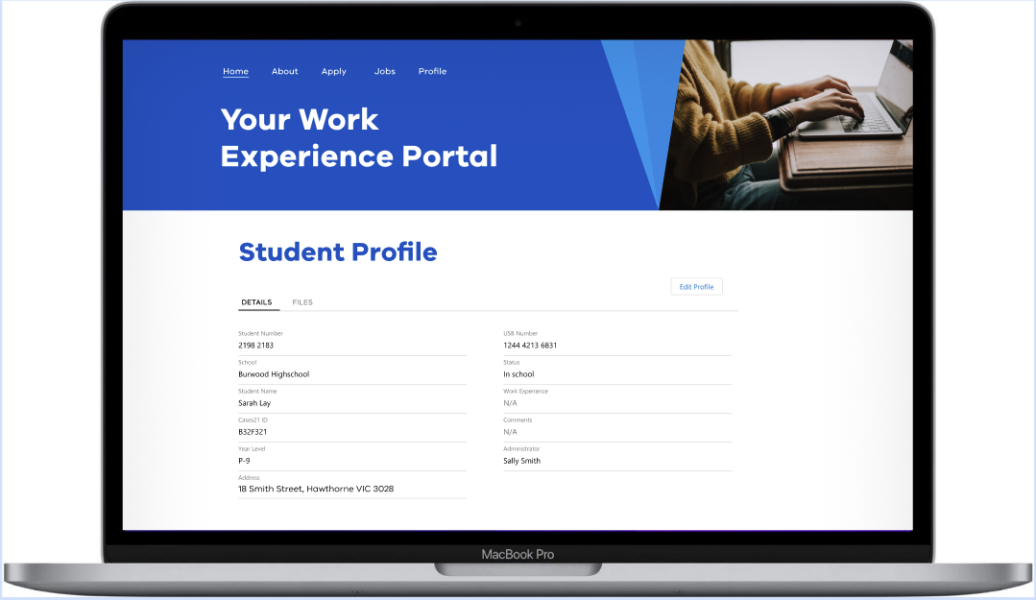
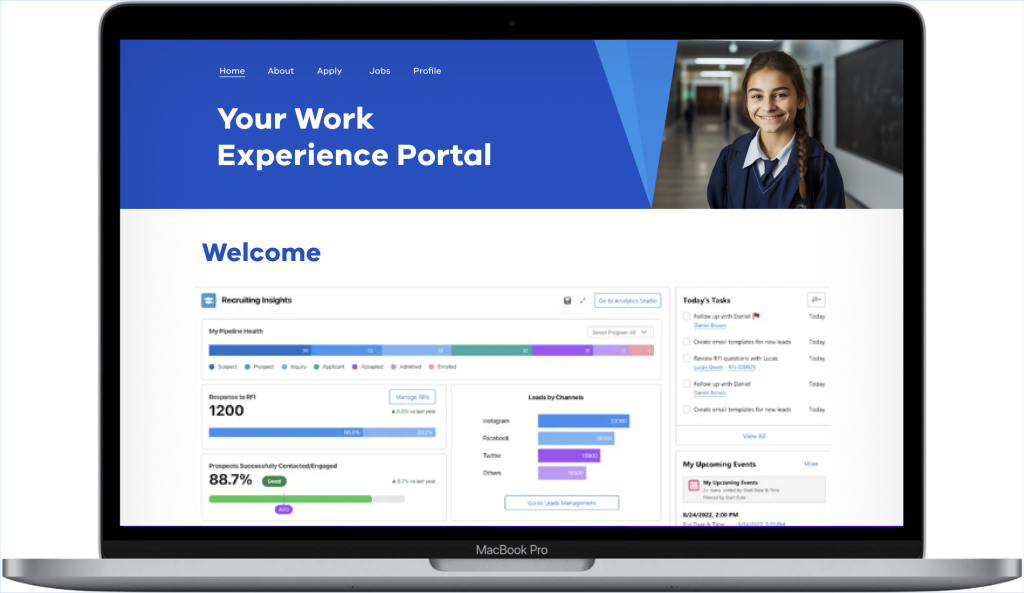
The future-state experience was defined through collaborative design exercises, visual prototypes and strategic design artefacts that enabled stakeholders to assess and validate proposed reforms. These outputs helped communicate opportunities, align stakeholders and support decision making around future service delivery models.
 
Accessibility and inclusion were considered throughout the program. Design recommendations sought to ensure equitable access to educational services regardless of location, background or ability. Inclusive design principles informed service concepts, information architecture and future service recommendations.
Outcomes

The project delivered a set of evidence-based recommendations and future-state design concepts that informed ongoing reform discussions. The work contributed to strategic planning activities and helped provide a user-centred perspective on the future direction of vocational and secondary education services.